


Across industries that operate in harsh or hazardous conditions - from oil and gas fields and mining shafts to defense, aerospace, and remote telecommunications - battery performance isn’t simply a maintenance concern; it is a core operational requirement. Extreme temperatures, corrosive atmospheres, vibration, and unpredictable load conditions can rapidly degrade batteries that power safety systems, sensors, monitoring devices, and critical backup infrastructure. In these demanding environments, engineers rely on battery cyclers, load testers, and precision source measurement instruments to validate performance and detect early signs of failure long before they jeopardize operations.
The Challenge of Battery Performance in Extreme Environments
Maintaining accuracy and reliability in battery performance testing becomes exponentially more difficult in extreme environments. Fluctuating temperatures, contamination, humidity, shock, and long-duration load cycles all contribute to rapid degradation, sometimes with little warning. Subtle changes in internal resistance or voltage may go unnoticed until the battery fails under stress, potentially shutting down essential systems.
Moreover, applications are complicated further as engineers often must test a variety of battery types, from small secondary cells in instrumentation to large, high-capacity battery banks. Each requires specialized measurements, high accuracy, and consistent reproducibility, especially when equipment is operating in unpredictable or hazardous environments.
Advanced Battery Test Solutions Designed for Real-World Engineering Needs
To overcome these challenges, engineers need tools engineered for precision, adaptability, and rugged performance. High‑power cyclers, high-voltage test systems, portable chargers, and source/measure units each play a role in ensuring batteries can withstand the harshest operating conditions.
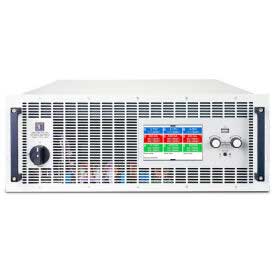
One of the most versatile systems for extreme‑environment testing is the Elektro‑Automatik BT20080‑340 TRIPLE battery tester. With triple‑output capability, up to 1020A max current, and 30 kW of power, it supports simultaneous testing across multiple cells or modules - ideal for validating redundant systems or performing accelerated stress testing. Its regenerative design reduces energy waste, a major advantage in remote or resource‑limited locations.
For applications requiring high‑voltage testing under demanding conditions, the NH Research 9200‑4960‑36 battery tester offers a flexible, modular platform capable of 600V operation with precision source/load control. Its ability to emulate real‑world load profiles makes it especially valuable when evaluating how batteries respond to rapid transients, thermal fluctuations, or mission‑specific duty cycles.
When testing large aerospace ground‑support batteries or high‑capacity backup systems, the NH Research 9300‑100 High‑Voltage Battery Test System provides up to 100 kW of power at 600V or 1200V. Its high‑accuracy measurements and regenerative power stage make it ideal for long‑duration cycle testing, second‑life evaluation, and high‑stress validation in environments where failure is unacceptable.
Not all testing happens in controlled labs. Field engineers often need portable tools that deliver fast, accurate diagnostics in harsh or constrained environments. The Keithley 2308 Portable Device Battery Charger is designed for exactly that—providing precision sourcing and measurement for low‑power devices. Its ability to simulate dynamic load conditions helps engineers identify performance issues that only appear under real‑world operating profiles.
For full‑system cycling and characterization, the Elektro‑Automatik BCTS 10300 offers a complete battery cycler and test system platform capable of supporting cell, module, and pack‑level testing. Its high‑accuracy measurement engine and flexible control architecture make it a strong fit for repeatable, traceable testing across multiple test conditions.
And when engineers need to analyze battery drain behavior under fluctuating loads—such as avionics modules, communication devices, or embedded systems—the Keysight N6785A Source/Measure Unit provides exceptional resolution and transient response. Its ability to capture microamp‑level drain events helps teams pinpoint inefficiencies or failure risks that would otherwise remain hidden.
Why Renting Test Equipment Is the Smart Choice for Extreme Environment Applications
Purchasing specialized test equipment is not always feasible, especially when needs vary from project to project or when equipment is required only during certain phases of operations. Renting through Transcat | Axiom Rentals provides a strategic advantage for engineering teams working in extreme or hazardous environments.
Key rental benefits include:
- Immediate Availability: Quickly access the equipment you need for urgent field testing or emergency troubleshooting.
- Lower Upfront Costs: Avoid large capital investments while still using top-tier diagnostic tools.
- Reduced Maintenance Expenses: Transcat manages calibration and upkeep, ensuring equipment arrives ready for peak performance.
- Flexible Rental Terms: Adjust rental periods to match unpredictable field timelines or project extensions.
- Expert Technical Support: Get guidance on selecting the right tools—especially valuable when working under environmental constraints.
Whether you’re troubleshooting a failing battery system on an offshore platform or validating SOH (State of Health) in a desert climate, renting provides the flexibility, reliability, and financial predictability essential to keeping operations running smoothly.
Built for Harsh Conditions. Backed by Reliable Access.
As industries expand into more extreme environments and technologies grow more sophisticated, dependable battery performance is non-negotiable. With advanced battery testers, analyzers, and diagnostic tools - paired with the flexibility and support of Transcat | Axiom Rentals - engineers can maintain the highest levels of reliability, safety, and operational readiness no matter where their work takes them.